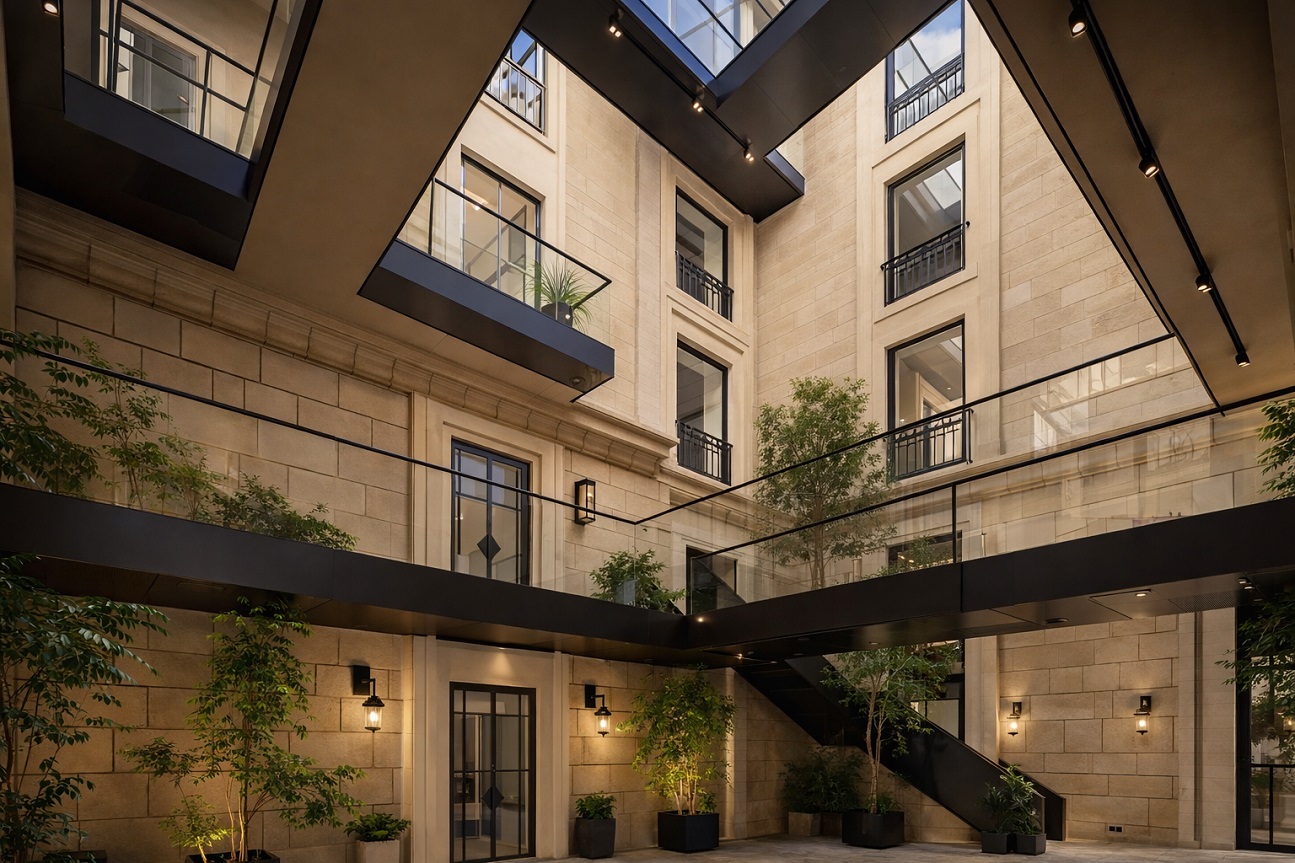
Malta has emerged as one of Europe’s most attractive real estate destinations, offering a blend of Mediterranean charm, strong investment potential, and a high quality of life. With its stable economy, English-speaking population, and vibrant lifestyle, the island continues to attract both investors and homebuyers from around the world. When exploring properties for sale in Malta, buyers are often drawn to the country’s diverse housing options, ranging from modern apartments to historic townhouses and luxurious villas. Whether you are purchasing a holiday home, relocating, or investing, understanding the Maltese property market is essential for making a smart and confident decision.
Understanding the Maltese Property Market
The property market in Malta has remained resilient over the years, supported by steady demand from both local and international buyers. The island’s limited land availability naturally supports property value appreciation, making real estate a long-term investment opportunity. From bustling urban areas like Sliema and St. Julian’s to quieter residential zones such as Mellieħa and Gozo, each location offers unique advantages depending on your lifestyle and budget.
Foreign buyers are especially attracted to Malta due to its EU membership, favorable tax policies, and accessible residency programs. The government has also introduced initiatives to encourage overseas investment, which further boosts the appeal of the local property market. However, pricing can vary significantly depending on location, property type, and proximity to the sea.
Types of Properties Available in Malta
One of the biggest advantages of buying property in Malta is the wide range of options available. Apartments are the most common choice, especially in urban and coastal areas, and are ideal for first-time buyers or investors looking for rental income. Penthouses offer stunning sea views and modern amenities, often appealing to high-end buyers seeking luxury living.
Traditional Maltese townhouses and houses of character are popular among those who appreciate historical architecture and spacious interiors. These properties often feature limestone facades, courtyards, and unique design elements that reflect Malta’s rich cultural heritage. Villas and detached homes, on the other hand, are typically found in upscale areas and provide privacy, larger spaces, and premium lifestyle features such as private pools and gardens.
Popular Locations to Buy Property
Location plays a crucial role when purchasing real estate in Malta. Sliema and St. Julian’s are among the most sought-after areas due to their modern infrastructure, nightlife, and proximity to business hubs. These locations are ideal for professionals and investors targeting short-term rentals.
Valletta, the capital city, is perfect for buyers who appreciate history, culture, and architecture. Properties here often have strong rental demand due to tourism. Mellieħa and Madliena offer quieter surroundings and scenic views, making them ideal for families and retirees. Gozo, Malta’s sister island, is increasingly popular for those seeking tranquility, lower property prices, and a slower pace of life.
Legal Requirements for Foreign Buyers
Buying property in Malta as a foreigner is relatively straightforward, but there are specific legal procedures to follow. Non-residents typically need an Acquisition of Immovable Property (AIP) permit when purchasing property outside designated special areas. However, properties in Special Designated Areas (SDAs) can be bought without this permit, making them highly attractive to international buyers.
It is highly recommended to hire a local notary who will conduct due diligence, verify ownership, and ensure that the property has no legal issues. The notary also handles the final deed of sale and ensures compliance with Maltese property laws. Having legal assistance protects buyers from potential complications and ensures a smooth transaction.
Costs and Taxes to Consider
Beyond the property price, buyers should budget for additional costs associated with purchasing real estate in Malta. Stamp duty is typically around 5% of the property value, although reduced rates may apply for first-time buyers or specific schemes. Notary fees usually range between 1% and 3% of the purchase price.
Other expenses include architect fees, registration fees, and potential bank charges if financing is involved. If the property is purchased as an investment, buyers should also consider rental income tax and maintenance costs. Proper financial planning helps avoid unexpected expenses and ensures a more secure investment.
Financing Options and Mortgage Availability
Both residents and non-residents can apply for mortgages in Malta, though terms may differ depending on financial status and residency. Maltese banks generally offer loans covering up to 80–90% of the property value for residents, while non-residents may receive lower loan-to-value ratios.
Interest rates in Malta are relatively competitive compared to other European countries. Buyers should compare different banks and mortgage packages to find the most suitable financing solution. Having a strong credit profile and proof of stable income significantly improves the chances of mortgage approval.
Investment Potential and Rental Opportunities
Malta’s growing tourism industry and expatriate population create strong rental demand, making property investment highly attractive. Short-term rentals in tourist hotspots like Sliema, St. Julian’s, and Valletta often generate high returns, especially during peak travel seasons.
Long-term rentals are also popular among professionals and students, ensuring consistent rental income throughout the year. Investors should evaluate factors such as location, property type, and rental regulations before making a purchase decision. With proper research, Malta can offer excellent returns on investment in both the short and long term.
Tips for Choosing the Right Property
Before purchasing property in Malta, it is important to clearly define your goals. Are you buying for personal use, rental income, or long-term investment? Identifying your purpose helps narrow down the most suitable locations and property types.
Conducting property inspections, reviewing building quality, and understanding neighborhood amenities are crucial steps in the decision-making process. Buyers should also verify property documentation, energy efficiency, and potential renovation costs. Working with reputable real estate agents and legal professionals can significantly reduce risks and streamline the buying experience.
Smart Steps before Making Your Purchase
Before finalizing your decision, take time to research market trends, compare property prices, and evaluate long-term growth potential. Visiting multiple properties, understanding legal obligations, and calculating total ownership costs will help you make a well-informed choice. A strategic approach, combined with professional guidance and financial planning, ensures that your investment in Malta’s real estate market is both secure and rewarding.