TP improvements—short for “total property improvements”—refer to a broad range of upgrades designed to enhance the functionality, comfort, efficiency, and value of a property. Whether applied to residential homes, rental units, or commercial spaces, TP improvements focus on making environments more livable, visually appealing, and cost-effective over time. In today’s fast-changing world, where sustainability and smart technology are becoming priorities, these improvements play a vital role in modern property development.
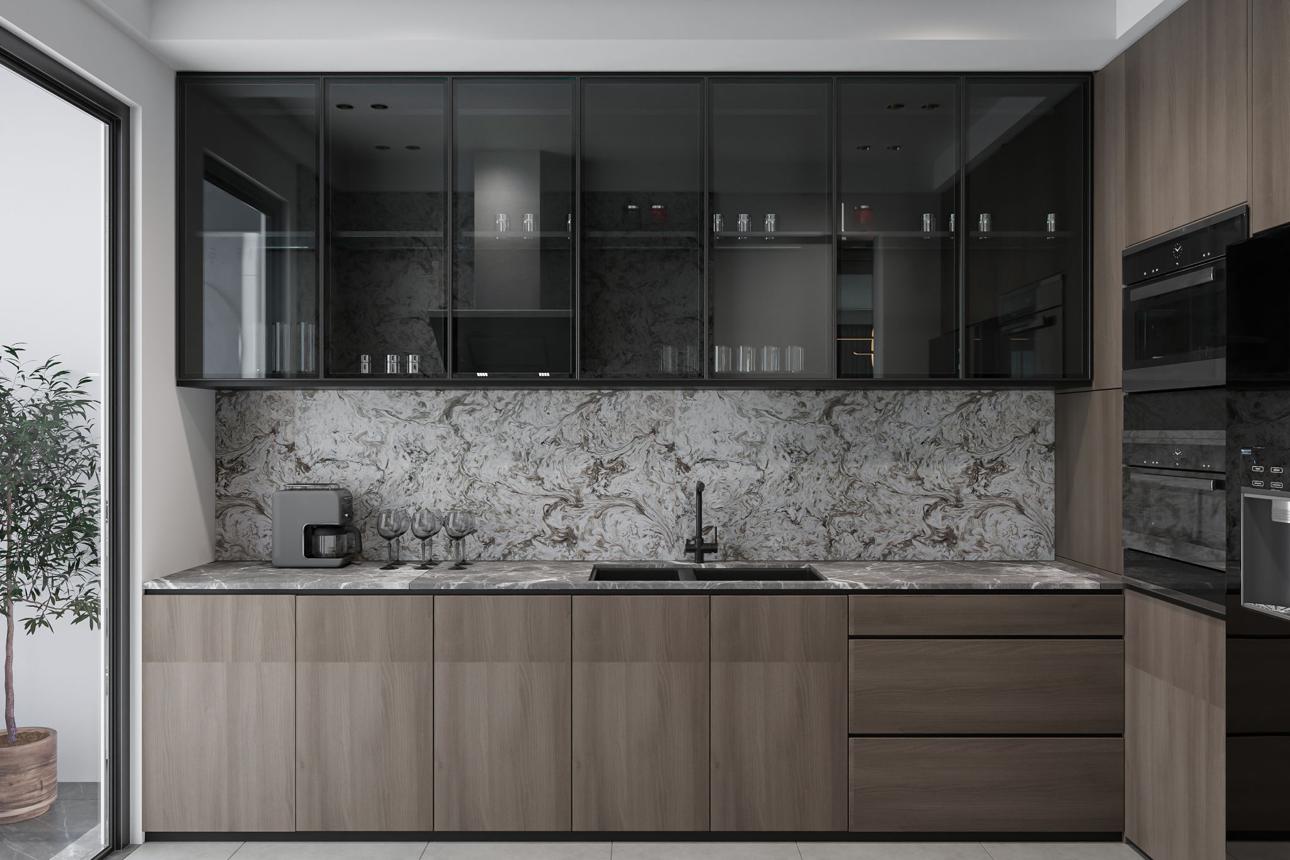
One of the most common areas of TP improvements is interior renovation. This includes upgrading kitchens, bathrooms, flooring, lighting, and wall finishes. Modern interiors emphasize clean designs, neutral color palettes, and multi-functional spaces. For example, open-plan living areas have become increasingly popular because they create a sense of space and allow better interaction between family members. Similarly, upgrading kitchens with efficient storage solutions and modern appliances can significantly improve daily convenience.
Energy efficiency is another major focus of TP improvements. Property owners are increasingly investing in upgrades that reduce energy consumption and lower utility bills. This can include installing LED lighting, energy-efficient windows, better insulation, and smart thermostats. Renewable energy solutions such as solar panels are also gaining popularity, allowing properties to generate their own electricity. These improvements not only reduce environmental impact but also add long-term value to the property.
Smart home technology is transforming how people interact with their living spaces. TP improvements often include the integration of smart devices such as automated lighting systems, security cameras, smart locks, and voice-controlled assistants. These technologies enhance convenience, safety, and energy management. For instance, homeowners can control lighting and temperature remotely through mobile apps, making their homes more responsive and efficient.
Exterior upgrades are equally important in TP improvements. The outside of a property is the first thing people notice, making curb appeal a key factor. Improvements such as landscaping, repainting, driveway repairs, and modern fencing can significantly enhance the overall appearance. Outdoor living spaces, including patios, decks, and gardens, have also become popular as people seek to extend their living areas beyond indoor walls.
Another important aspect of TP improvements is maintenance and structural upgrades. Regular inspections and repairs ensure that a property remains safe and functional. This includes fixing roofing issues, upgrading plumbing and electrical systems, and reinforcing structural elements. Preventive maintenance can save significant costs in the long run by avoiding major repairs or damage.
Sustainability is becoming a central theme in property improvements. Many property owners are adopting eco-friendly materials and practices, such as using recycled materials, low-VOC paints, and water-saving fixtures. Rainwater harvesting systems and efficient irrigation methods are also being implemented to conserve water. These environmentally conscious choices contribute to a healthier living environment while supporting global sustainability efforts.
Cost management is a crucial consideration in TP improvements. While some upgrades may require a significant initial investment, they often result in long-term savings and increased property value. It is important to prioritize improvements based on needs, budget, and potential return on investment. For example, energy-efficient upgrades may have higher upfront costs but can lead to substantial savings over time.
Planning is essential for successful TP improvements. Property owners should carefully assess their goals, whether it’s improving comfort, increasing property value, or reducing maintenance costs. Consulting professionals such as architects, designers, and contractors can help ensure that projects are executed efficiently and meet desired standards. Proper planning also helps avoid unnecessary expenses and delays.
Technology continues to influence the future of TP improvements. Innovations such as 3D design tools, virtual walkthroughs, and advanced construction techniques allow property owners to visualize and implement upgrades more effectively. These tools make it easier to plan layouts, choose materials, and ensure that the final result aligns with expectations.
In conclusion, TP improvements are a comprehensive approach to enhancing properties in terms of functionality, aesthetics, and sustainability. From interior renovations and energy-efficient upgrades to smart technology and exterior enhancements, these improvements offer numerous benefits. By investing in thoughtful and well-planned upgrades, property owners can create spaces that are comfortable, efficient, and future-ready. As trends continue to evolve, TP improvements will remain a key factor in shaping modern living and property development.